Looking For Unique Estate Jewelry? Here Are 10 Things You Should Know
- johanneandkenny
- 2 days ago
- 5 min read
Estate jewelry represents more than just a collection of "pre-owned" items. It is a gateway to craftsmanship that no longer exists in mass production, a connection to historical eras, and often, a smarter investment than buying new from a retail window. Whether you are a seasoned collector or a first-time bidder at Jewelry and More Auctions, understanding the nuances of the estate market is essential to finding pieces that hold both beauty and value.
The term "estate" is often misunderstood. In the simplest terms, it refers to any piece of jewelry that has been previously owned. This category encompasses everything from a 200-year-old Georgian brooch to a high-end designer ring purchased just five years ago. However, the true treasure lies in the "unique": those items that tell a story through their design and materials.
Here are 10 things you should know before you start your search for unique estate jewelry.
1. Distinguish Between Estate, Vintage, and Antique
The first step in your journey is mastering the vocabulary. While these terms are often used interchangeably in casual conversation, they have specific definitions in the professional world:
Estate Jewelry: Any piece that is pre-owned. This is the broad umbrella term.
Vintage Jewelry: Generally refers to items that are at least 20 to 30 years old but less than 100 years old. This covers popular eras like Mid-Century Modern and the bold aesthetics of the 1980s.
Antique Jewelry: Specifically refers to pieces that are at least 100 years old. These items are highly sought after for their rarity and the specific artisanal techniques used before the industrialization of jewelry making.
Understanding these distinctions helps you filter through store categories and find the specific era that matches your personal style.
2. Research the Defining Eras
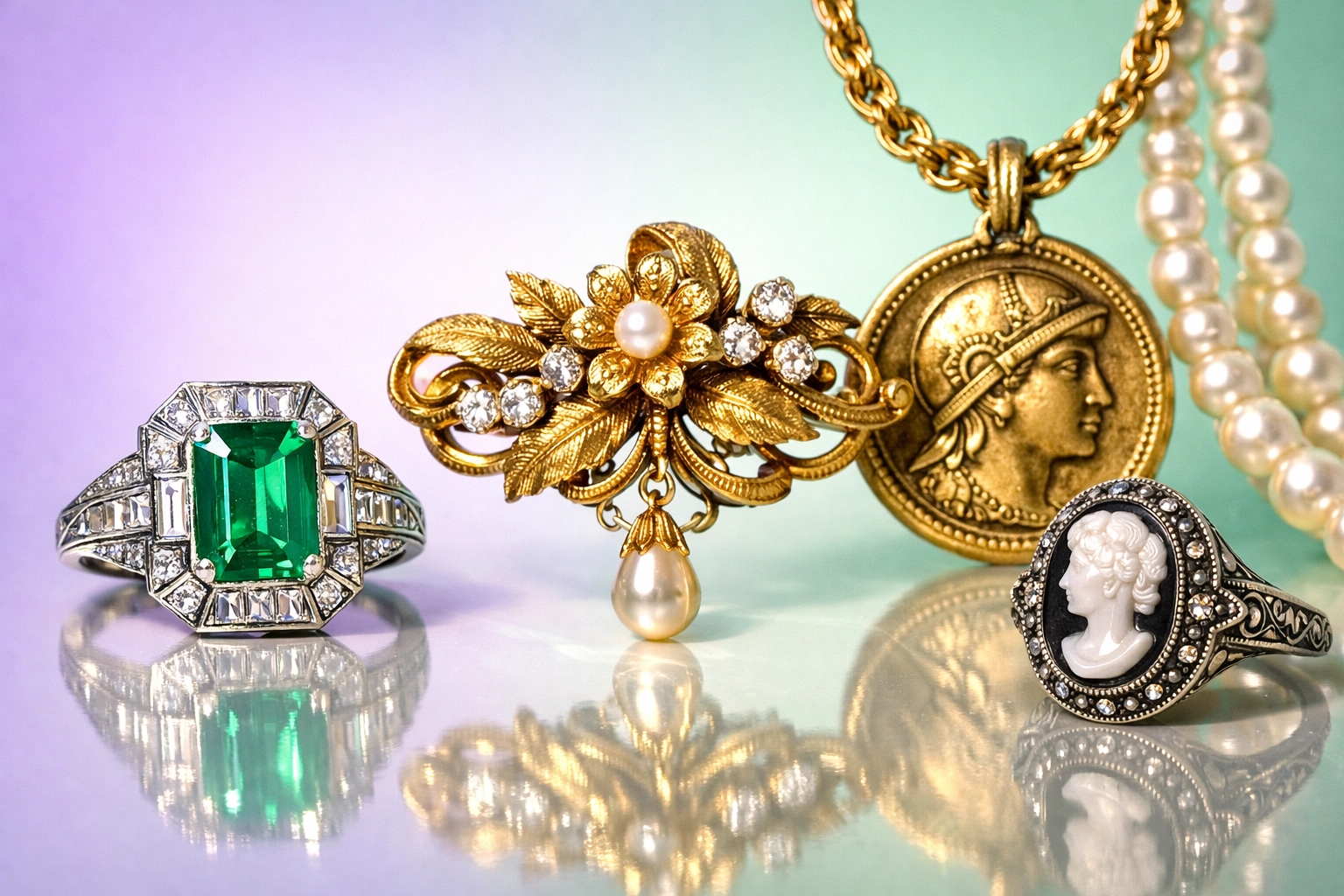
Estate jewelry is a timeline of human fashion. If you are looking for something unique, you should recognize the hallmarks of different design periods.
Victorian Era (1837-1901): Often features romantic motifs like hearts, bows, and flowers. Gold and silver-topped gold were common.
Art Nouveau (1890-1910): Characterized by flowing lines, mythical creatures, and the use of enamel and colorful stones.
Art Deco (1920s-1930s): Famous for geometric shapes, symmetry, and bold contrasts: think white diamonds against black onyx or deep green emeralds.
Retro (1940s): Noted for its large, bold "Hollywood" style using rose gold and oversized synthetic stones.
3. The Value of Quality Over Quantity
In the modern retail market, a large portion of the price tag on a new piece goes toward marketing, branding, and high retail markups. With estate jewelry, the value is concentrated in the materials and the labor. Skilled artisans of the past spent dozens of hours on a single piece of filigree or hand-engraving.
When browsing our all-products category, you will notice that estate pieces often feature higher-quality construction than contemporary pieces at the same price point. Buying estate allows your budget to go further, often securing you higher-carat gold or superior gemstones.
4. Condition is Not the Same as Quality
When buying unique estate pieces, expect "signs of life." A light patina on silver or tiny surface scratches on gold can actually prove the piece’s age and authenticity. However, you must differentiate between character and damage.
Inspect pieces for:
Thinning shanks: The bottom of a ring can wear down over decades of use.
Loose stones: Gently tap the piece near your ear; if you hear a rattle, the setting may need tightening.
Missing enamel: While some chips are acceptable, large areas of missing enamel can be difficult and expensive to repair.
5. Verify Hallmarks and Signatures
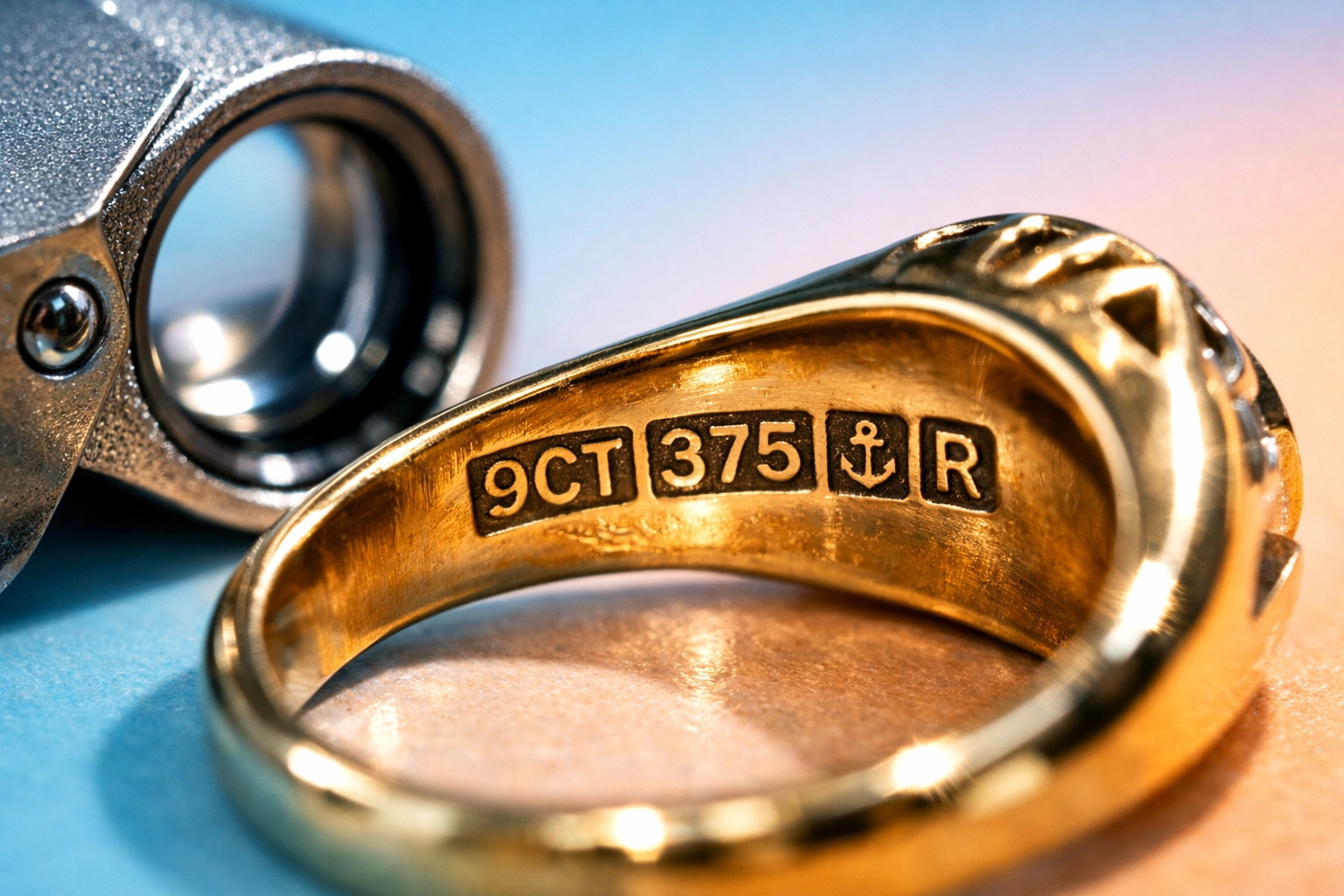
Professional estate jewelry buyers look at the back of the piece before the front. Hallmarks are small stamps that indicate the metal purity (like "14k," "18k," or "925") and sometimes the maker's mark or the country of origin.
For example, a piece like our Luxurious Pink Butterfly 14k Gold Plated Ring demonstrates how modern estate-style pieces continue the tradition of clear material marking. Signatures from famous houses like Tiffany & Co., Cartier, or Van Cleef & Arpels can exponentially increase the value of a piece beyond its weight in gold.
6. Understand the Materials
Materials used in the past were often different from what you see today. You might encounter "Old Mine Cut" or "Old European Cut" diamonds. These stones were cut by hand to sparkle under candlelight, giving them a softer, deeper glow compared to the "Brilliant Cut" diamonds of today.
You should also be aware of synthetic stones. Lab-created stones were popular in jewelry as early as the late 1800s. While they are "real" stones chemically, they differ in value from natural mined stones. Items like our Rainbow Synthetic Cubic Zirconia highlight how modern synthetic materials are used to achieve vibrant colors that are often prohibitively expensive in natural stones.
7. Size and Fit Considerations
Vintage and antique rings were often made in smaller sizes than the modern average. While most gold and silver rings can be resized, doing so can sometimes interfere with hallmarks or the structural integrity of a delicate antique band.
When looking at earrings, consider the closure style. Modern screw-backs, like those found on our 4mm Carved Floral Ear Studs, offer a secure fit that wasn't always available in earlier eras. If you find a pair of vintage earrings you love, you can often have a jeweler update the backs for modern comfort.
8. Ask for Provenance and Documentation
Unique jewelry often comes with a history. Provenance refers to the record of ownership of a piece. While not every estate item comes with a diary of its past, any accompanying documentation: like original boxes, receipts, or previous appraisals: adds to the value.
If you are purchasing high-value items, look for certificates from reputable labs like the GIA (Gemological Institute of America). These documents provide an objective assessment of the stone's quality, ensuring you are bidding with confidence. You can see how we organize our information by checking our product sitemap.
9. Maintenance is Part of the Investment
Estate jewelry requires a bit more care than modern stainless steel pieces. Antique stones may be foil-backed (a technique used to enhance brilliance), meaning they should never be submerged in water. Opals and pearls are organic and porous; they can be damaged by perfumes or hairsprays.
Factor in the cost of a "check-up" with a trusted jeweler. Having a professional clean the piece and check the prongs ensures that your unique find remains secure for another generation.
10. Master the Auction Instinct
Buying unique estate jewelry at auction is an art form. It requires a blend of research and gut feeling. At Jewelry and More Auctions, we encourage bidders to set a maximum price based on their research but to also allow for the emotional connection a piece can create.
To succeed at auction:
Jewelry With a Purpose
At Jewelry and More Auctions, we believe that the beauty of a piece is enhanced by the good it does in the world. A portion of our proceeds supports charitable causes, and we invite our community to participate in this mission. If you’ve found a piece you love, you are also contributing to a larger goal of giving back. You can learn more about our charitable efforts on our donation page or see the impact on our thank you page. We are also deeply committed to sharing a message of hope through our Jesus Loves You Always section.
Estate jewelry is a journey into the past that brightens your future. By keeping these ten tips in mind, you can navigate the world of auctions with the confidence of a professional collector. Whether you are looking for floral ear studs or a one-of-a-kind heirloom, the right piece is waiting for you.
Explore our full blog for more tips on bidding, jewelry care, and upcoming auction highlights. Happy hunting!
Comments